
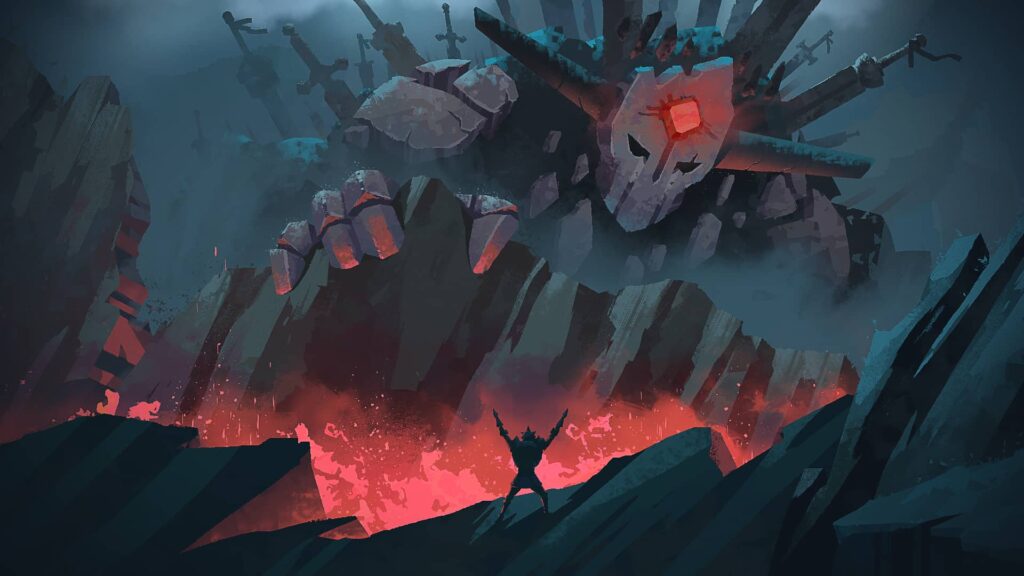
Ever wondered what Slay the Spire would be like if it were a turn-based dungeon crawler with dice instead of cards? Lootbound is exactly that, and it’s a brutal yet absolutely addicting roguelite that you should definitely keep an eye on if you love the genre.
Full disclosure: I’ve been given a review copy of the game and will be publishing a review on release. This post only outlines my initial impressions after playing a couple of runs.
It’s Got the Sauce
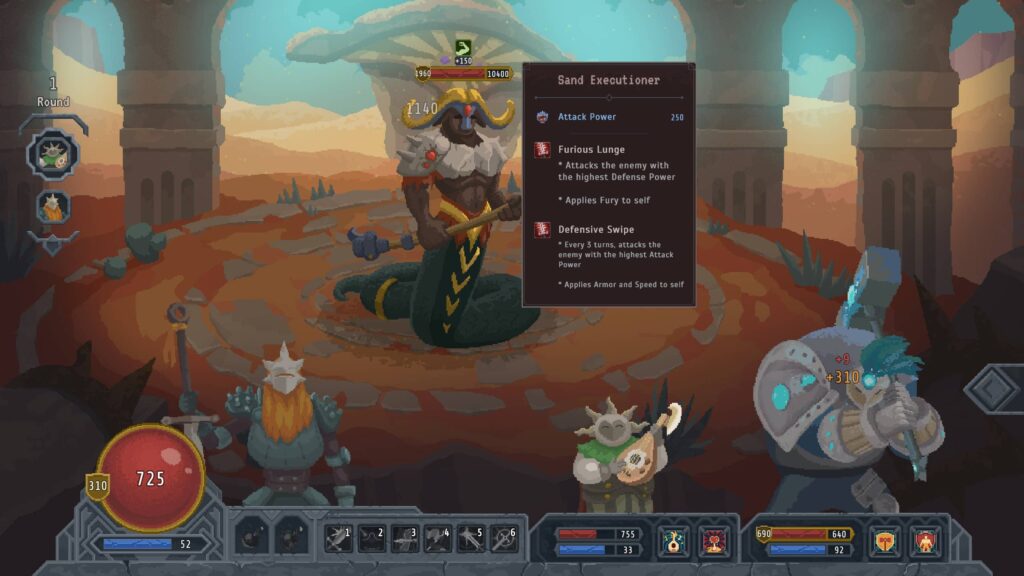
For fans of turn-based combat, this game has easy-to-understand mechanics but enough depth to let you craft all kinds of ridiculous builds. Just now, I went the distance with an “unga bunga” high damage build that I would pump up even more by giving my allies a “Fury” buff.
Of course, it’s all still tied to RNG, with dice rolls often dictating the type of gear you get and your potential companions having randomness baked into their movesets. It can lead to some astoundingly good turns, but also an immediate loss out of nowhere. I’m writing this just after getting one shot by an elite in the third map, and I swear I’m not salty (okay, maybe a little bit).
An important caveat to keep in mind is that you only truly get to control your chosen character. Any companions you meet along the way are completely AI-controlled, so most of your adjustments will come in the form of gear and ability choices.
That’s not to say that the game can’t be stacked in your favor, although it’s a bit difficult at the moment due to the lack of agency and something else that I’ll get into in the next section.
Like with a lot of other roguelites, your upgrade choices can mitigate a lot of the damage that RNG can do to you, and with smart decision making, you can breeze through the game with relative ease.
Inventory Tetris
There are multiple ways to upgrade your character and companions throughout a run, and the main way to do this is through the gear that you get from killing enemies and rolling dice to open chests.
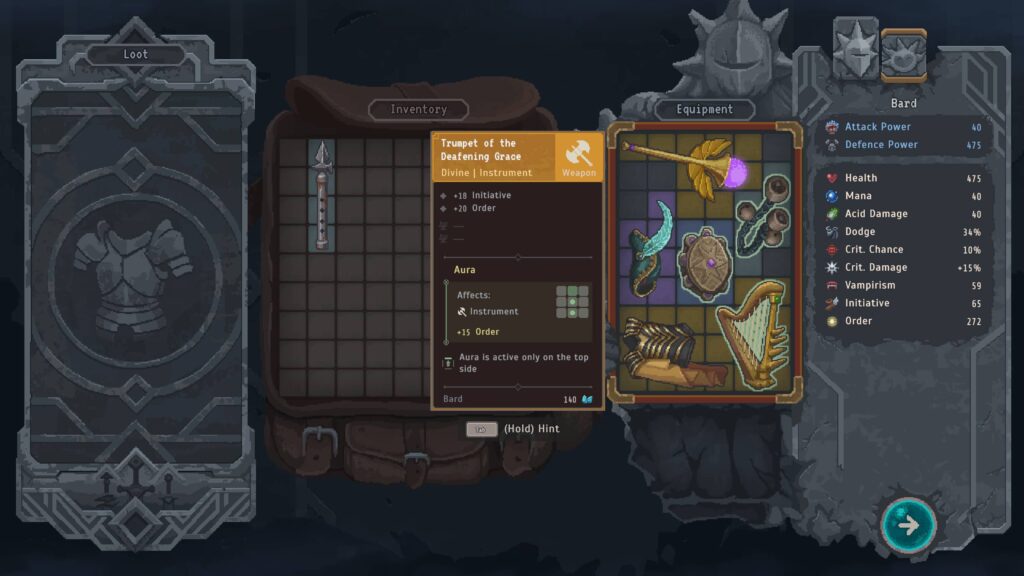
What makes this game stand out from the crowd is how it requires you to do a bit of inventory tetris, and it’s not just so you can fit your items into your bag. You see, any item a character is holding will affect their stats, but some of them have “aura” bonuses that will grant extra attributes if you can put items in the designated tiles adjacent to it.
This can let you stack up a ton of buffs, but it requires a lot of careful inventory management as you weigh your options and decide which bonuses are worth keeping. It adds an extra layer of strategy in a game that’s already packed with other ways to power you up.
Unfortunately, in its current state, I do have to bring up the fact that each character gets a pitiful amount of space to work with. Now, I’ve definitely tried my best to squeeze in as much as I can, but items just take up way too much room that it prevents actual nutty builds, and I find myself sacrificing too much every time I get a new item that looks interesting.
I’ll hold off on being too critical for now, as this is just a preview and the devs are still hard at work ironing out the kinks.
A Promising, Distinctive Entry
There’s a lot to look forward to in Lootbound, from its tactical depth to the stunning stylized art and animations. I’m going to be putting in more hours into the game leading up to its release, and you can expect to hear from me again soon.
The game’s slated for release on August 14, which they pushed back from July 31st to address player feedback (fantastic news). In its current state, it’s an addicting and fun game that can be a bit unfair at times, but it seems the devs are receptive to feedback and are looking into making it feel better by the time it rolls out.
For now, only time will tell how that’ll go. In the meantime, I have a few more games lined up until then, so expect more reviews very soon!